
Advanced Dentistry
Wisdom Teeth Removal in Mount Druitt
Gentle assessment and removal of painful or impacted wisdom teeth.
Advanced Dentistry
Careful, honest wisdom teeth care
Wisdom teeth sometimes grow in without any problems. Other times they become impacted — partly covered by gum or positioned at an angle — leading to pain, swelling, infection or damage to nearby teeth.
At Mount Druitt Dental, we provide wisdom teeth assessments and extractions for patients with discomfort or concerns about their back teeth. We use dental X-rays to examine the position of the wisdom teeth, their roots and the surrounding structures before recommending treatment.
Not every wisdom tooth needs to be removed. If yours are healthy, properly positioned and easy to clean, regular monitoring may be all that's required — we only recommend extraction when there's a clear clinical reason.
Book Your Appointment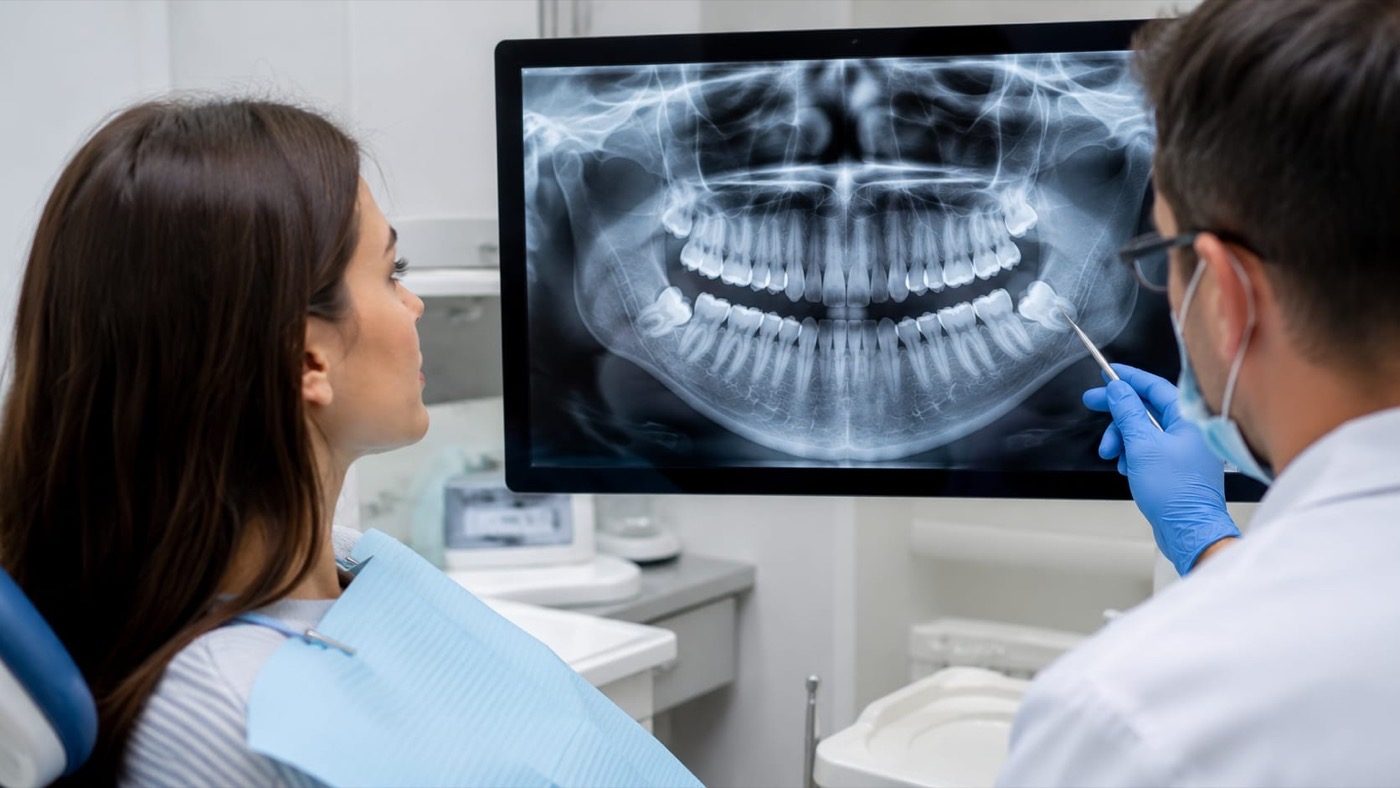
The Basics
What are wisdom teeth?
Wisdom teeth are the final adult molars at the very back of the mouth. Most people develop up to four, although some have fewer or none at all.
They often begin appearing in the late teenage years or early adulthood. Because the jaw may not have enough room, wisdom teeth can become trapped beneath the gum or grow at an angle.
A wisdom tooth that can't fully emerge is known as an impacted wisdom tooth — it may stay completely under the gum, or only partially break through.
When It's Needed
When might wisdom teeth need removing?
Extraction may be recommended when a tooth is causing pain, infection or damage to the surrounding area. Common reasons include:
- Repeated gum infections around the tooth
- Pain or pressure at the back of the mouth
- Swelling around the gum or jaw
- Tooth decay in the wisdom tooth
- Decay or damage to the neighbouring molar
- Food trapping around a partially erupted tooth
- A cyst or other concern around the tooth
- Difficulty cleaning the area properly
- A wisdom tooth growing at an angle
- Selected orthodontic or restorative cases
Your dentist will weigh the benefits and risks of removal and explain whether monitoring may be a suitable alternative.
Signs of a Problem
Arrange a wisdom teeth assessment if you notice:
- Pain behind the back molars
- Tender, red or swollen gums
- Difficulty opening your mouth
- Pain when chewing
- A bad taste or unpleasant breath
- Swelling around the cheek or jaw
- Food repeatedly trapping at the back
- Pressure against nearby teeth
- Repeated infections in the same area
Some impacted wisdom teeth cause no symptoms but are still found during a routine exam or X-ray. Seek urgent medical attention if swelling affects your breathing or swallowing, spreads rapidly, or comes with serious illness.
Assessment
Wisdom teeth assessment in Mount Druitt
Before recommending removal, your dentist will examine your mouth and take an appropriate dental X-ray. The X-ray helps show:
- The direction the tooth is growing
- Whether it's fully or partly impacted
- The shape and length of the roots
- The amount of surrounding bone
- The position of nearby teeth
- The relationship between roots and nearby nerves
This helps us decide whether the tooth can be safely removed here or whether referral to an oral surgeon or specialist is more appropriate — complex cases may need specialist care, particularly when a tooth is deeply impacted or close to important nerves.
What To Expect
Your visit, step by step
Assessment
We examine the wisdom tooth, gums and nearby teeth, and X-rays let us assess the roots and position to plan a safe, predictable removal. We review your medical history and medications, and may recommend a specialist for complex extractions.
Comfortable removal
Local anaesthetic fully numbs the tooth and surrounding area — you may feel pressure or movement, but not sharp pain. An impacted or partly erupted tooth may need a small opening in the gum, and the tooth is sometimes divided into sections so it can be removed more gently.
Aftercare
The area is cleaned, stitches are placed if needed and gauze helps control bleeding. You'll receive clear instructions on managing discomfort, protecting the blood clot and reducing the risk of infection or dry socket.
Recovery
Recovery after wisdom teeth extraction
Some tenderness, swelling and limited jaw opening are common — usually most noticeable in the first few days, then gradually improving. During the early recovery period:
- Rest and avoid strenuous exercise
- Use any recommended medication as directed
- Avoid smoking and alcohol
- Don't rinse vigorously in the first 24 hours
- Avoid drinking through a straw
- Choose soft, cool or lukewarm foods
- Keep fingers and tongue away from the socket
- Apply a cold pack to the face if advised
After the first 24 hours, gentle salt-water rinses may be recommended. Keep brushing your other teeth carefully, avoiding direct contact with the healing area.
When To Call Us
Contact Mount Druitt Dental if you experience:
- Bleeding that does not slow
- Severe or worsening pain
- Increasing swelling after several days
- Fever or feeling unwell
- Pus, discharge or a persistent bad taste
- Difficulty swallowing
- Numbness that does not improve
- Severe throbbing pain days after extraction
Strong pain that begins a few days after treatment may be a sign of dry socket and should be assessed promptly.
FAQs
Wisdom teeth questions, answered
Do all wisdom teeth need to be removed?
No. Wisdom teeth that are healthy, correctly positioned and easy to clean may not require removal. Regular monitoring may be recommended instead.
Does wisdom teeth extraction hurt?
Local anaesthetic is used to numb the area. You may feel pressure or movement, but you should not normally feel sharp pain during the procedure.
How long does wisdom teeth removal take?
The treatment time depends on the position of the tooth and whether it is impacted. A straightforward extraction may be quick, while surgical removal can take longer.
How long is the recovery period?
Many patients begin feeling better within several days. Swelling and tenderness may last longer after a complex or impacted wisdom tooth extraction.
What can I eat after wisdom teeth removal?
Choose soft foods such as yoghurt, mashed vegetables, scrambled eggs, pasta and cooled soup. Avoid hard, crunchy, spicy or very hot foods during the early healing stage.
What is an impacted wisdom tooth?
An impacted wisdom tooth is one that cannot fully emerge because it is trapped by gum, bone or another tooth.
What is dry socket?
Dry socket occurs when the protective blood clot is lost or does not form properly. It can cause severe throbbing pain several days after extraction and requires dental treatment.
When can I return to work?
Many people return to light activities within a few days. More complex extractions may require additional recovery time, depending on your work and symptoms.
Experiencing pain, swelling, infection or pressure at the back of your mouth? Book a wisdom teeth consultation or call (02) 9677 1172 — we'll explain whether removal is needed, what's involved and what to expect during recovery.