
Jaw Care
TMJ Treatment in Mount Druitt
Relief from jaw pain and tension.
Jaw Care
Ease jaw pain, clicking & tension
Experiencing jaw pain, clicking, headaches or difficulty opening your mouth? Mount Druitt Dental provides comprehensive TMJ treatment to help relieve discomfort caused by jaw joint problems, teeth grinding and clenching.
The temporomandibular joint (TMJ) connects your jawbone to your skull, letting you talk, chew and yawn comfortably. When it becomes inflamed, misaligned or strained, it can lead to facial pain, morning headaches, worn teeth and tension around the jaw, neck and ears. Left untreated, TMJ disorders can worsen over time.
Our dentist will assess your symptoms, review your bite and jaw movement, and recommend a personalised plan — which may include a custom-fitted dental splint to reduce pressure on the joint, protect your teeth from grinding and ease muscle tension.
Book Your Appointment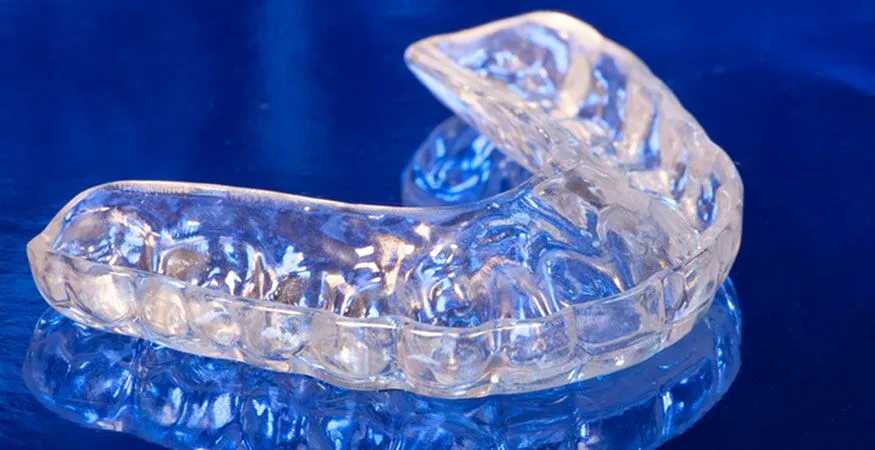
Symptoms
Common TMJ symptoms
TMJ disorders can show up in several ways. Book an assessment if you regularly notice:
- Jaw pain, stiffness or tenderness
- Clicking or popping when opening
- Headaches and facial tension
- Teeth grinding or clenching (bruxism)
- Difficulty chewing or opening fully
- Pain around the ears, neck or shoulders
- Jaw locking or getting "stuck"
The Causes
TMJ problems can develop for several reasons:
- Teeth grinding or clenching, often linked to stress
- Misaligned teeth or an uneven bite
- Jaw injury or trauma
- Arthritis affecting the jaw joint
- Poor posture or habitual jaw clenching
Identifying the underlying cause helps us recommend the most effective treatment for your jaw.
Our Approach
How we treat TMJ
Treatment depends on the severity and cause of your symptoms, and may include:
Custom occlusal splints
Worn at night to reduce grinding, clenching and pressure on the jaw joint — protecting your teeth and easing muscle tension.
Bite assessment & correction
Identifying and addressing misalignment or an uneven bite that may be contributing to TMJ strain.
Lifestyle & habit guidance
Practical, day-to-day advice to reduce jaw tension, clenching and stress-related habits that aggravate the joint.
Referral for further care
Where appropriate in more complex cases, we can refer you for additional specialist assessment and care.
FAQs
TMJ questions, answered
How do I know if I have TMJ disorder?
Common signs include jaw pain, clicking or popping sounds, morning headaches, and difficulty opening your mouth fully. If you're experiencing these symptoms regularly, it's worth booking an assessment.
Does a night splint really help with TMJ pain?
Yes — a custom-fitted splint helps reduce the pressure placed on your jaw joint from grinding and clenching, which can significantly ease pain and prevent further tooth wear over time.
Is TMJ treatment covered by health insurance?
Many private health funds provide a rebate for dental splints and TMJ-related treatment, depending on your level of cover. Our team can help you check your eligibility.
How long does TMJ treatment take to work?
Many patients notice improvement within a few weeks of using a custom splint, though timeframes vary depending on the severity of the condition.
Can children get TMJ disorders?
Yes, though it's less common. If your child complains of jaw pain or clicking, it's worth having them assessed.
If jaw pain, headaches or teeth grinding are affecting your daily life, don't wait for symptoms to worsen. Book a TMJ assessment or call (02) 9677 1172 for a thorough assessment and personalised treatment plan.