
Advanced Dentistry
Tooth Extractions in Mount Druitt
Gentle tooth removal with clear advice and supportive aftercare.
Advanced Dentistry
Saving your tooth comes first
A painful, infected or badly damaged tooth can affect your ability to eat, sleep and concentrate. When a tooth can't be repaired predictably, a dental extraction may be recommended to relieve discomfort and protect the surrounding teeth, gums and jaw.
At Mount Druitt Dental, we provide gentle tooth extractions in a calm, supportive environment. Before recommending removal, we carefully examine the tooth, review your medical history and take X-rays when needed to understand the roots and surrounding structures.
Our first priority is always to preserve your natural teeth where possible — an extraction is generally considered only after we assess whether a filling, dental crown or root canal treatment may be suitable.
Book Your Appointment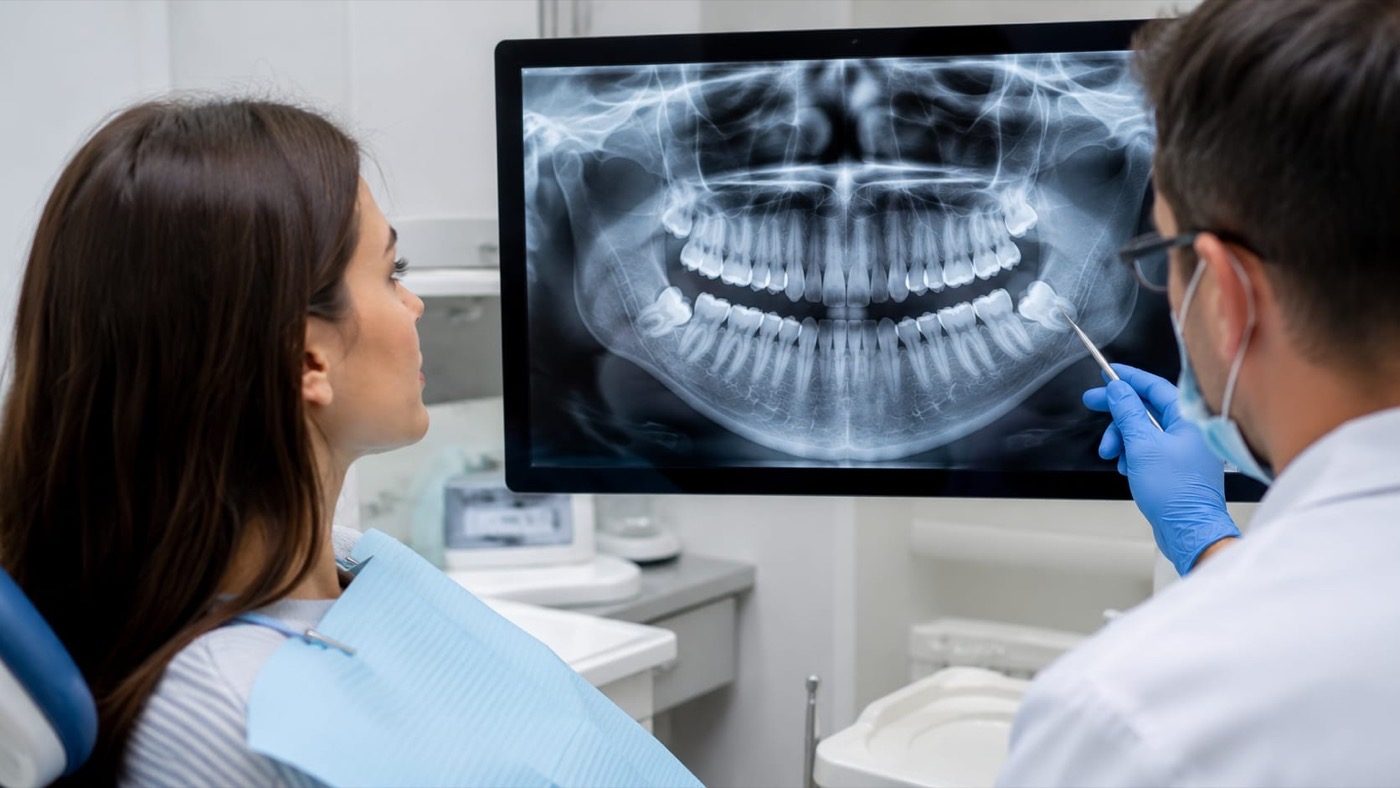
When It's Needed
When might a tooth need removing?
A tooth may need extraction when it's too damaged or infected to restore safely. Common reasons include:
- Severe tooth decay
- A badly cracked or broken tooth
- A dental infection or abscess
- Advanced gum disease
- A loose adult tooth
- Dental trauma or injury
- Failed root canal treatment
- Orthodontic treatment in selected cases
- A tooth that can't support a filling or crown
Your dentist will explain why an extraction is being considered and discuss any reasonable alternatives before treatment begins.
Signs To Watch
Book a dental appointment if you notice:
- Persistent or severe toothache
- Pain when biting or chewing
- Swelling around a tooth or gum
- A bad taste or discharge
- A badly broken tooth
- A loose adult tooth
- Facial swelling
- A tooth that repeatedly becomes infected
- Ongoing pain after previous treatment
Not every painful tooth needs removal — an exam and X-ray help identify the cause. Seek urgent medical care if swelling affects breathing or swallowing, or if you feel seriously unwell.
Common Reasons
When a tooth can't be saved
Severe decay
Decay can spread through the enamel and dentine and reach the nerve, making a tooth painful or infected. Root canal and a crown can sometimes save it — but if too much structure is lost, removal may be the safest option. Treating it promptly helps prevent infection spreading.
Broken or cracked teeth
Teeth can break from trauma, biting something hard, grinding or a large old filling. Small fractures are often repairable, but deeper cracks may extend below the gumline or into the root — and when a fracture is too severe, the tooth may no longer support a restoration.
Advanced gum disease
Advanced gum disease damages the tissue and bone supporting the teeth. As bone loss progresses, teeth can become loose, painful or hard to chew with — and if a tooth has lost too much support, extraction may improve comfort. Ongoing periodontal care stays important afterwards.
What To Expect
Your visit, step by step
Assessment
We examine the tooth, gum and bite, with X-rays to show the roots, position and nearby structures. We review your medical history and medications to plan safely — and if the extraction looks complex, we may recommend an oral surgeon or specialist.
Comfortable removal
Local anaesthetic fully numbs the tooth and surrounding tissues — you may feel pressure or movement, but not sharp pain. The tooth is gently loosened and removed; some come out quickly, while badly broken or curved-root teeth may need extra steps.
Aftercare
Gauze over the socket helps control bleeding, and you'll receive clear instructions on protecting the area, managing discomfort and reducing the risk of complications. We can also discuss replacing the tooth with an implant, bridge or partial denture.
Recovery
Recovery after a tooth extraction
Some tenderness, swelling and light bleeding are normal. Recovery time depends on the tooth, the complexity of the procedure and your general health. For the first 24 hours:
- Rest and avoid strenuous exercise
- Don't smoke or drink alcohol
- Avoid vigorous rinsing
- Don't touch the socket
- Don't drink through a straw
- Eat soft, cool or lukewarm foods
- Wait for numbness to wear off before chewing
After 24 hours, gentle salt-water rinsing may be recommended. Brush the surrounding teeth carefully, avoiding direct contact with the socket during early healing.
When To Call Us
Contact Mount Druitt Dental if you experience:
- Heavy bleeding that does not slow
- Severe or worsening pain
- Increasing swelling after several days
- Fever or feeling unwell
- A bad taste or discharge
- Difficulty opening your mouth
- Persistent numbness
- Signs of infection
Severe throbbing pain beginning a few days after extraction may indicate dry socket and should be assessed promptly.
After Removal
Replacing a missing tooth
Not every extracted tooth needs replacing, but leaving a gap can sometimes affect chewing, appearance and tooth alignment. Replacement options may include dental implants, dental bridges or partial dentures.
Your dentist will explain whether replacement is recommended and which option may suit your mouth, lifestyle and budget.
FAQs
Extraction questions, answered
Does a tooth extraction hurt?
Local anaesthetic is used to numb the area. You may feel pressure or movement, but the procedure should not normally be painful.
How long does a tooth extraction take?
A straightforward extraction may take only a short time. More difficult teeth can take longer depending on the roots, position and level of damage.
How long does recovery take?
Many patients begin to feel better within a few days. The socket continues to heal over the following weeks.
What can I eat after an extraction?
Choose soft foods such as yoghurt, scrambled eggs, pasta, mashed vegetables or cooled soup. Avoid hard, crunchy or very hot foods.
When can I return to work?
Many people return to normal activities the next day after a simple extraction. More complex procedures may require additional rest.
What is dry socket?
Dry socket is a painful condition that can occur when the protective blood clot is lost or does not form properly. Contact your dentist if severe throbbing pain develops several days after treatment.
Can I smoke after a tooth extraction?
Smoking can delay healing and increase the risk of dry socket. Avoid smoking for as long as your dentist recommends.
Do I need to replace the extracted tooth?
That depends on which tooth was removed and how the gap affects your bite. Your dentist can discuss implants, bridges and partial dentures where replacement is beneficial.
Have tooth pain, swelling, infection or a badly damaged tooth? Book an appointment or call (02) 9677 1172 — we'll explain whether your tooth can be saved, what's involved and what to expect during recovery.