
Restorative Dentistry
Dental Crowns in Mount Druitt
Restore and protect damaged teeth with a strong, natural-looking dental crown.
Restorative Dentistry
Strengthen and protect damaged teeth
A damaged, cracked or heavily filled tooth weakens over time. Without the right protection it may eventually break or need more extensive treatment. A dental crown strengthens the remaining tooth, restores normal function and improves the appearance of your smile.
At Mount Druitt Dental, we provide custom-made crowns designed to match the colour, size and shape of your natural teeth — each one planned for a comfortable bite and a natural-looking result.
Whether you have a cracked tooth, a large filling, severe wear or a tooth that's had root canal treatment, our dentists can assess the area and explain whether a crown is suitable for you.
Book Your Appointment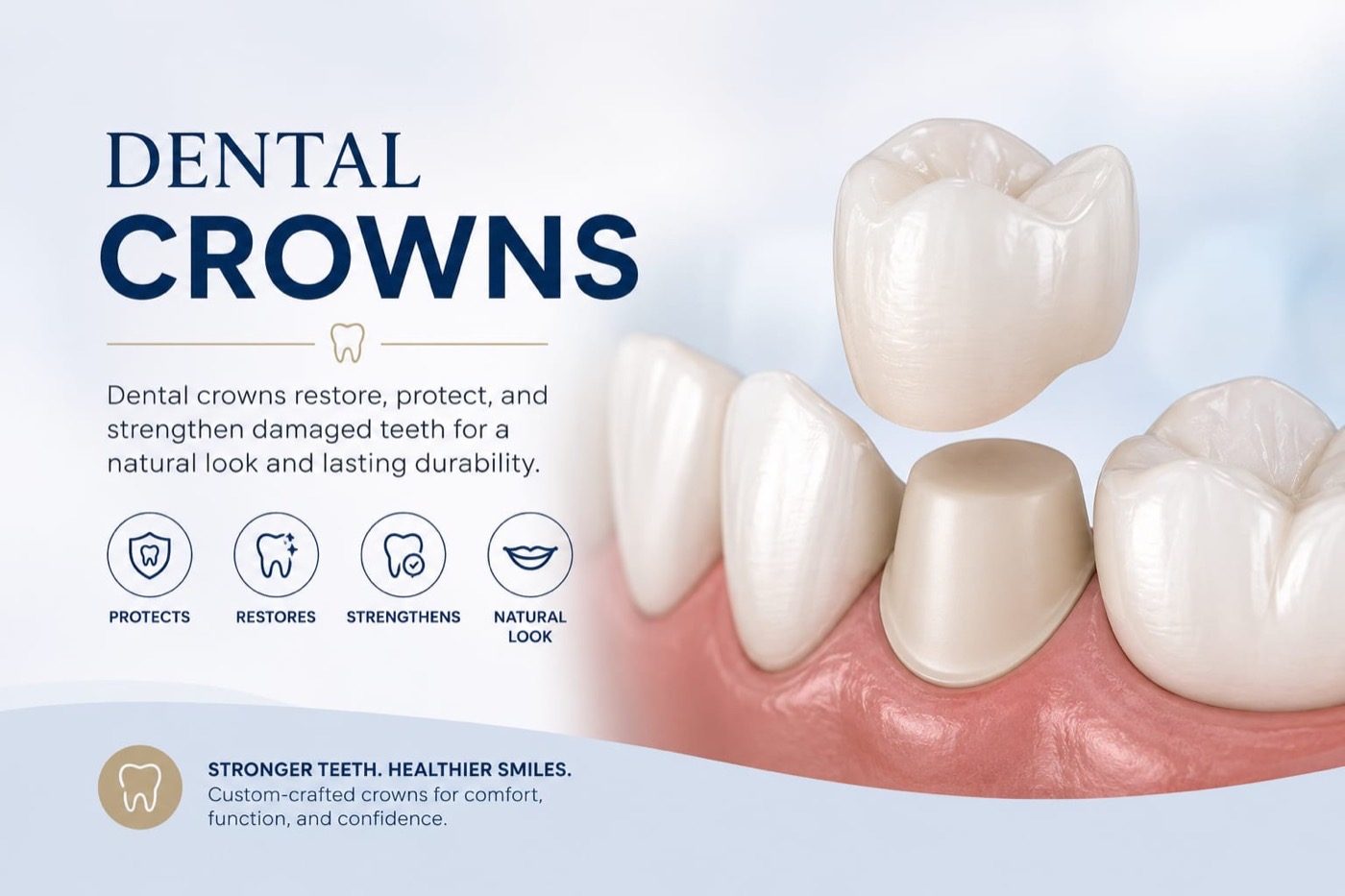
The Basics
What is a dental crown?
A dental crown is a custom-made restoration that covers the visible portion of a damaged or weakened tooth. It's sometimes called a dental cap because it fits over the tooth and protects it from further damage.
Unlike a filling, which repairs a specific section of a tooth, a crown surrounds more of the remaining tooth structure — providing extra strength when a tooth is no longer strong enough to support a regular filling. A crown may be recommended to:
- Protect a cracked or weakened tooth
- Restore a broken or heavily worn tooth
- Strengthen a tooth with a large filling
- Protect a tooth after root canal treatment
- Improve the appearance of a misshapen tooth
- Cover significant tooth discolouration
- Restore a dental implant
- Support a dental bridge
Your dentist will examine the tooth, surrounding gums and bite before recommending treatment.
Natural Results
Natural-looking porcelain crowns
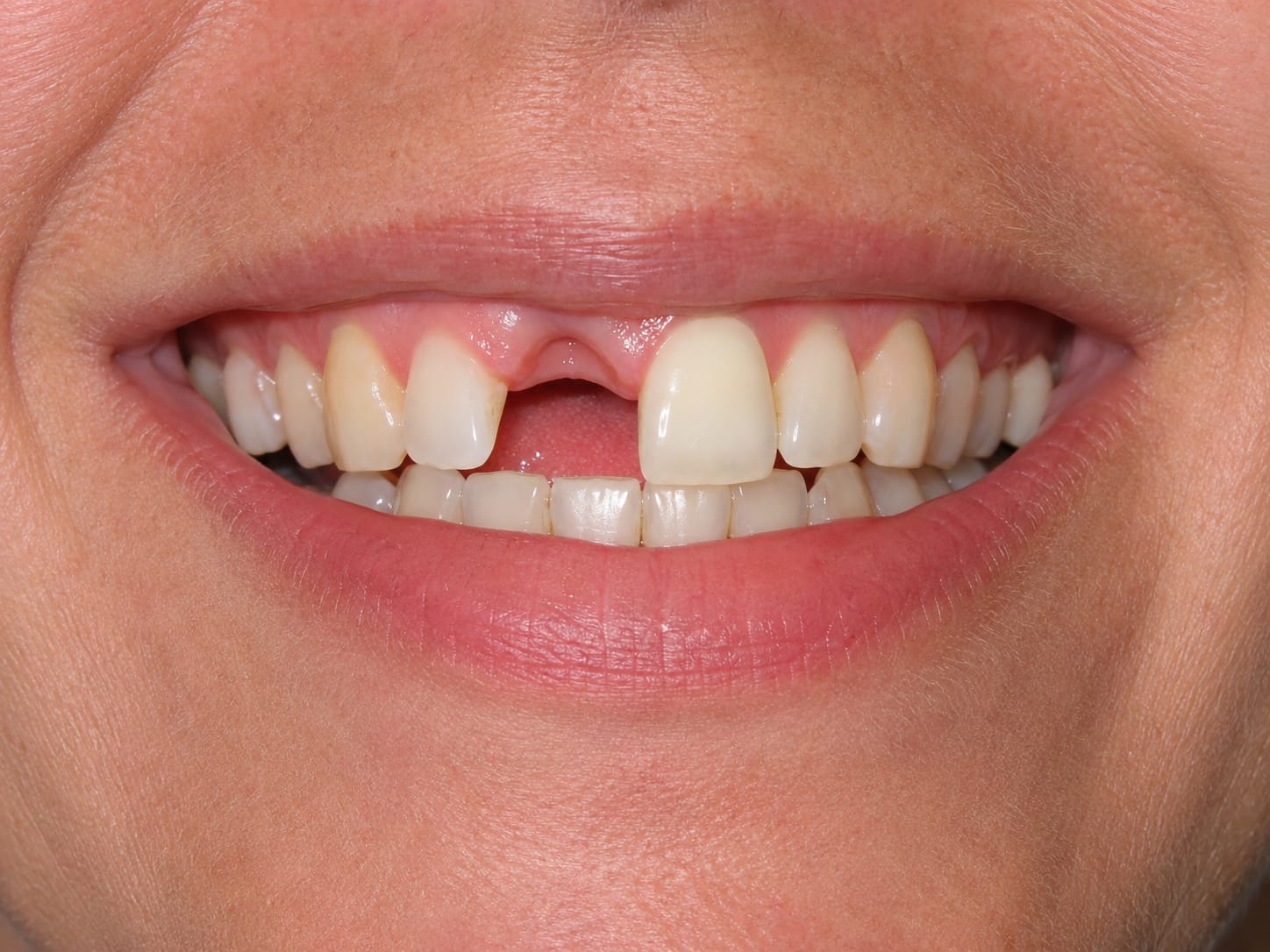
Modern porcelain and ceramic crowns can closely reproduce the colour and appearance of natural enamel. They're individually designed to blend with the surrounding teeth rather than looking artificial or noticeable.
Your dentist selects a shade that complements your smile, and carefully plans the crown's shape, size and position to suit your facial features and bite.
Different materials may be recommended depending on where the tooth is located — front teeth often need highly natural-looking materials, while back teeth may need restorations built to withstand greater chewing pressure. Your dentist will explain the available materials and recommend an option based on the condition of the tooth, its position and your individual needs.
When It Helps
Signs you may need a dental crown
- Pain when biting or chewing
- A visible crack in a tooth
- A broken or severely worn tooth
- A large or failing filling
- Ongoing sensitivity
- A tooth that feels weak
- A loose or damaged existing crown
- A root-canal-treated tooth
- Changes to a tooth's shape or colour
Not every damaged tooth needs a crown — smaller areas of damage may be repaired with a tooth-coloured filling, inlay or onlay. Your dentist will discuss the options, advantages and costs before treatment begins.
After Root Canal
Dental crowns after root canal treatment
A tooth that's had root canal treatment can become more vulnerable to cracking — particularly a back tooth exposed to strong chewing forces.
Placing a crown over the tooth provides additional protection and helps restore normal function. The crown surrounds the remaining tooth structure, reducing the risk of sections breaking under pressure.
Not every root-canal-treated tooth needs the same restoration. Your dentist will assess how much healthy tooth remains and recommend the most appropriate treatment.
What To Expect
Your dental crown treatment, step by step
Consultation & assessment
We examine the affected tooth, gums and bite. X-rays may be taken to assess the root, surrounding bone and any decay, and we explain whether a crown is suitable and discuss alternatives.
Preparing the tooth
Local anaesthetic keeps you comfortable while the tooth is shaped to create space for the crown. Any decay or weak filling is removed, and the tooth may be rebuilt first if needed.
Impressions & colour matching
Precise impressions or digital scans record the prepared tooth and your bite, and the colour of your natural teeth is matched so the crown blends with your smile.
Temporary crown
A temporary crown protects the prepared tooth while your custom restoration is made, so you can eat and smile normally. Avoid very hard or sticky foods, which can loosen it.
Final crown fitting
We remove the temporary crown and check the new one for fit, shape, colour and bite. Once you and your dentist are happy, it's permanently cemented into position.
Aftercare
Caring for your dental crown
A crown itself can't decay, but the natural tooth underneath it can. Plaque may collect around the edge of the restoration, so good oral hygiene remains essential.
Brush twice daily with fluoride toothpaste and floss around the crown each day. Regular check-ups let your dentist examine the crown, the supporting tooth and your gums.
Avoid chewing hard objects such as ice, pens or hard lollies. If you grind or clench your teeth, a custom night guard can help protect your crown and natural teeth.
FAQs
Dental crown questions, answered
How long does a dental crown last?
A well-maintained crown can last for many years. Its lifespan depends on the material, oral hygiene, bite pressure, the condition of the supporting tooth and habits such as teeth grinding.
Is getting a dental crown painful?
Local anaesthetic is used during tooth preparation. You may feel pressure or vibration, but treatment should not normally be painful.
How many appointments are required?
Dental crown treatment usually involves two main appointments: one to prepare and scan the tooth, and another to fit the completed crown.
Can a crown look like a natural tooth?
Yes. Porcelain and ceramic crowns can be matched closely to the shade, size and shape of your surrounding teeth.
Can decay develop underneath a crown?
Yes. Decay can form around the edge of a crown if plaque is not removed. Brushing, flossing and regular dental check-ups help protect the supporting tooth.
What should I do if my crown becomes loose?
Avoid chewing on that side and contact Mount Druitt Dental promptly. Do not attempt to reattach the crown using household glue.
Is a crown better than a large filling?
A crown may offer more protection when a tooth is significantly weakened. Smaller areas of damage may still be suitable for a filling, inlay or onlay.
Ready to protect your tooth? Book a dental crown consultation or call (02) 9677 1172 — we'll explain your options, expected costs and the most suitable way to restore your tooth.