
Restorative Dentistry
Dental Bridges in Mount Druitt
Replace missing teeth with a strong, natural-looking dental bridge.
Restorative Dentistry
A fixed way to fill the gap
A missing tooth affects more than your smile — it can make chewing harder, change the way you speak and let surrounding teeth drift out of position. A dental bridge provides a fixed solution for replacing one or more missing teeth and restoring function.
At Mount Druitt Dental, we provide custom-made bridges designed to match the colour, shape and size of your natural teeth. Unlike a removable denture, a bridge is securely fixed in place and doesn't need to be taken out each day.
Our dentists will assess your teeth, gums and bite before explaining whether a bridge is right for you — and we'll also discuss other options, including partial dentures and dental implants, so you can make an informed decision.
Book Your Appointment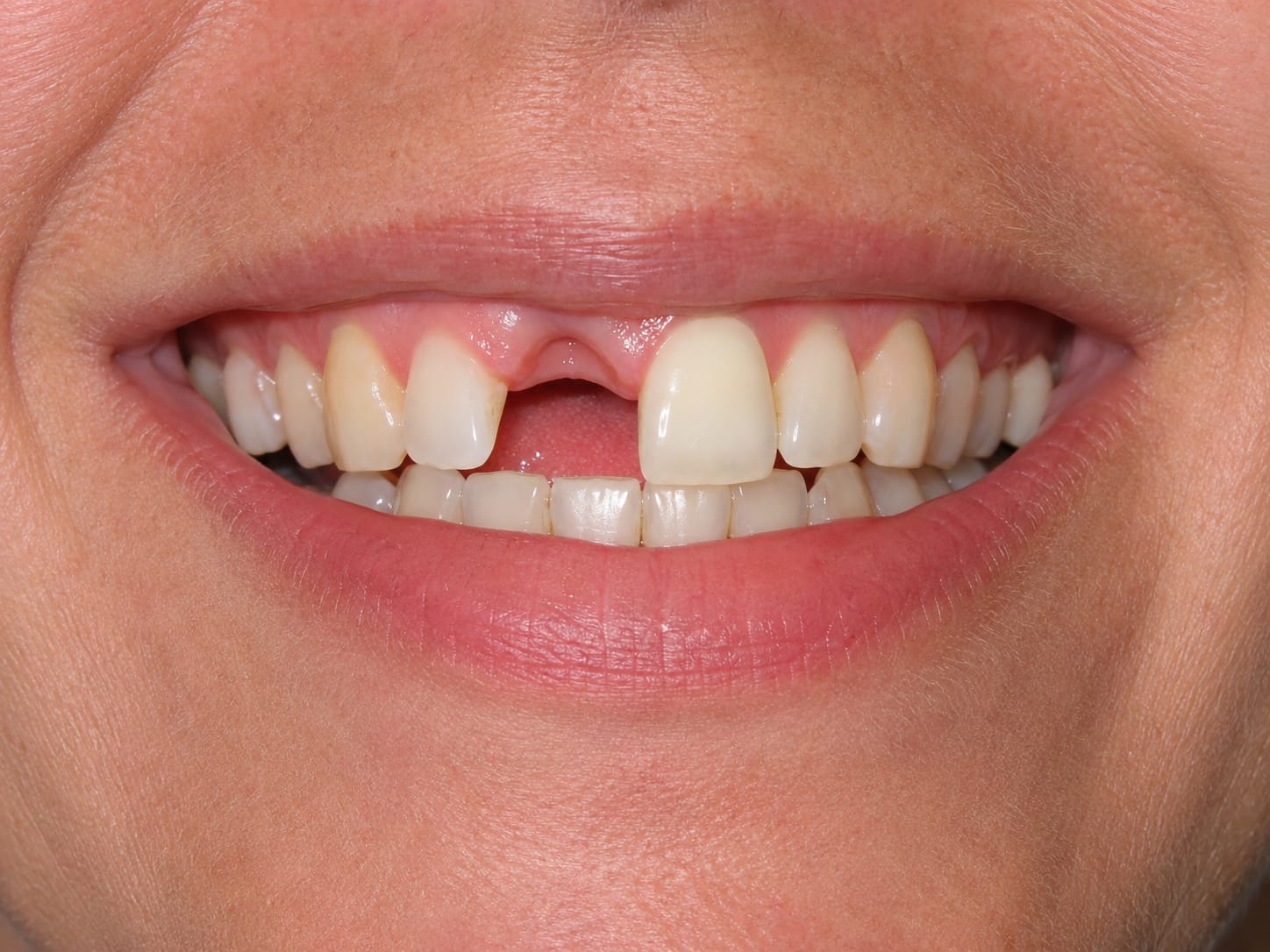
The Basics
What is a dental bridge?
A dental bridge is a fixed restoration used to replace one or more missing teeth. It fills the gap with an artificial replacement tooth (a pontic), supported by crowns placed over the neighbouring teeth.
The teeth supporting the bridge are called abutment teeth. They're carefully prepared so the crowns fit securely over them and hold the replacement tooth in position.
Once permanently cemented, a bridge stays in your mouth while eating, speaking and sleeping — a stable, natural-looking alternative to a removable partial denture.
When It Helps
When may a bridge be recommended?
A bridge may suit you when you have one or more missing teeth and the surrounding teeth are healthy enough to support the restoration. Bridges may be recommended to:
- Replace one or more missing teeth
- Restore your ability to bite and chew
- Improve the appearance of your smile
- Prevent neighbouring teeth from shifting
- Support a more balanced bite
- Improve speech affected by missing teeth
- Provide a fixed alternative to a denture
- Restore support for the lips and cheeks
The most suitable treatment depends on the location of the gap, the health of the supporting teeth, your gum condition and your preferences.
Why Act
Why replace a missing tooth?
When a tooth is lost, nearby teeth can gradually tilt or drift into the empty space, and the tooth in the opposite jaw may move further out of its socket without a tooth to bite against.
These changes can affect your bite, create spaces where food traps and make teeth harder to clean — over time raising the risk of decay, gum problems and uneven wear.
Replacing a missing tooth with a bridge may help maintain alignment, improve chewing and restore your smile.
Natural Results
Natural-looking porcelain bridges
Modern bridges can be made using porcelain, ceramic or other durable materials. The right choice depends on where the missing tooth is, the strength required and the appearance you'd like to achieve.
Porcelain and ceramic bridges can be matched closely to the shade and shape of your natural teeth, making them a popular option for visible areas of the smile.
Your dentist carefully assesses the colour, size and position of your surrounding teeth, and the finished bridge is custom-made to fit your bite and complement your facial features.
What To Expect
Your dental bridge treatment, step by step
Consultation & examination
We examine the gap, surrounding teeth, gums and bite, with X-rays to assess the roots and supporting bone. We explain whether the neighbouring teeth can support a bridge and discuss alternatives.
Preparing the supporting teeth
Local anaesthetic keeps you comfortable while the teeth either side of the gap are shaped to make room for the supporting crowns. Any decay or weak filling is removed, and a tooth may be rebuilt first if needed.
Impressions & colour matching
Precise impressions or digital scans record the prepared teeth, the gap and your bite, and your tooth colour is matched so the bridge blends with your smile and meets comfortably.
Temporary bridge
A temporary bridge may be fitted to protect the prepared teeth and maintain your smile's appearance. Avoid very hard or sticky foods, which can damage or loosen it.
Final fitting
The temporary bridge is removed and the final restoration checked for fit, shape, colour and bite. After any minor adjustments it's permanently cemented, and we show you how to clean underneath it.
Aftercare
Caring for your dental bridge
A bridge itself can't decay, but the natural teeth supporting it can. Plaque and food may collect around the crowns and underneath the replacement tooth, so daily cleaning is essential.
Brush twice daily with fluoride toothpaste and clean underneath the bridge using floss threaders, super floss, interdental brushes or another aid your dentist recommends.
Avoid chewing hard objects such as ice, pens or hard lollies. If you grind or clench your teeth, a custom night guard can help protect your bridge and remaining natural teeth. Regular check-ups let us examine the bridge, supporting teeth and gums.
Compare Options
Bridge, denture or implant?
Dental bridge
Fixed in place and may feel more like natural teeth than a removable denture. The neighbouring teeth generally need to be prepared to support it.
Partial denture
Removable and able to replace several missing teeth. A good option in many situations — see our dentures page for details.
Dental implant
Supports a replacement tooth without relying on neighbouring teeth, but requires sufficient jawbone and a surgical procedure.
Your Mount Druitt dentist will compare the advantages, costs and treatment requirements of each option with you.
FAQs
Dental bridge questions, answered
How long does a dental bridge last?
A well-maintained dental bridge can last for many years. Its lifespan depends on oral hygiene, bite pressure, the health of the supporting teeth and habits such as teeth grinding.
Is getting a dental bridge painful?
Local anaesthetic is used while the supporting teeth are prepared. You may feel pressure or vibration, but the procedure should not normally be painful.
How many appointments are required?
Dental bridge treatment usually requires two main appointments. The first is for tooth preparation and impressions, and the second is for fitting the completed bridge.
Can a dental bridge look natural?
Yes. Porcelain and ceramic bridges can be matched closely to the colour, shape and size of your surrounding teeth.
How do I clean underneath a bridge?
Use floss threaders, super floss or an interdental brush to clean underneath the replacement tooth and around the supporting crowns.
Can decay form underneath a dental bridge?
The bridge itself cannot decay, but the supporting natural teeth can. Daily brushing, cleaning underneath the bridge and regular dental check-ups are important.
Is a dental bridge removable?
No. A traditional dental bridge is permanently cemented onto the supporting teeth and should only be removed by a dentist.
What should I do if my bridge feels loose?
Avoid chewing on the affected side and contact Mount Druitt Dental promptly. Do not attempt to repair or reattach the bridge with household glue.
Ready to replace a missing tooth? Book a dental bridge consultation or call (02) 9677 1172 — we'll discuss your options and find a suitable way to restore your smile.