
Orthodontics
Dental Braces & Clear Aligners
Straighten crooked, crowded or gapped teeth with SmileFast and Invisalign clear aligners.
Orthodontics
Discreet teeth straightening, your way
Crooked, crowded or widely spaced teeth can affect your confidence, bite and ability to clean between your teeth properly. Modern teeth-straightening offers discreet, comfortable options — without necessarily needing traditional metal braces.
At Mount Druitt Dental, we offer personalised treatment using the SmileFast and Invisalign clear aligner systems. Both use careful planning to gradually guide selected teeth into improved positions.
Invisalign uses a series of clear, removable aligners rather than fixed brackets and wires. SmileFast also incorporates digital smile planning and clear aligner options to help plan cosmetic and orthodontic improvements. Your dentist will examine your teeth, gums, jaw and bite before recommending the most appropriate treatment.
Book Your Appointment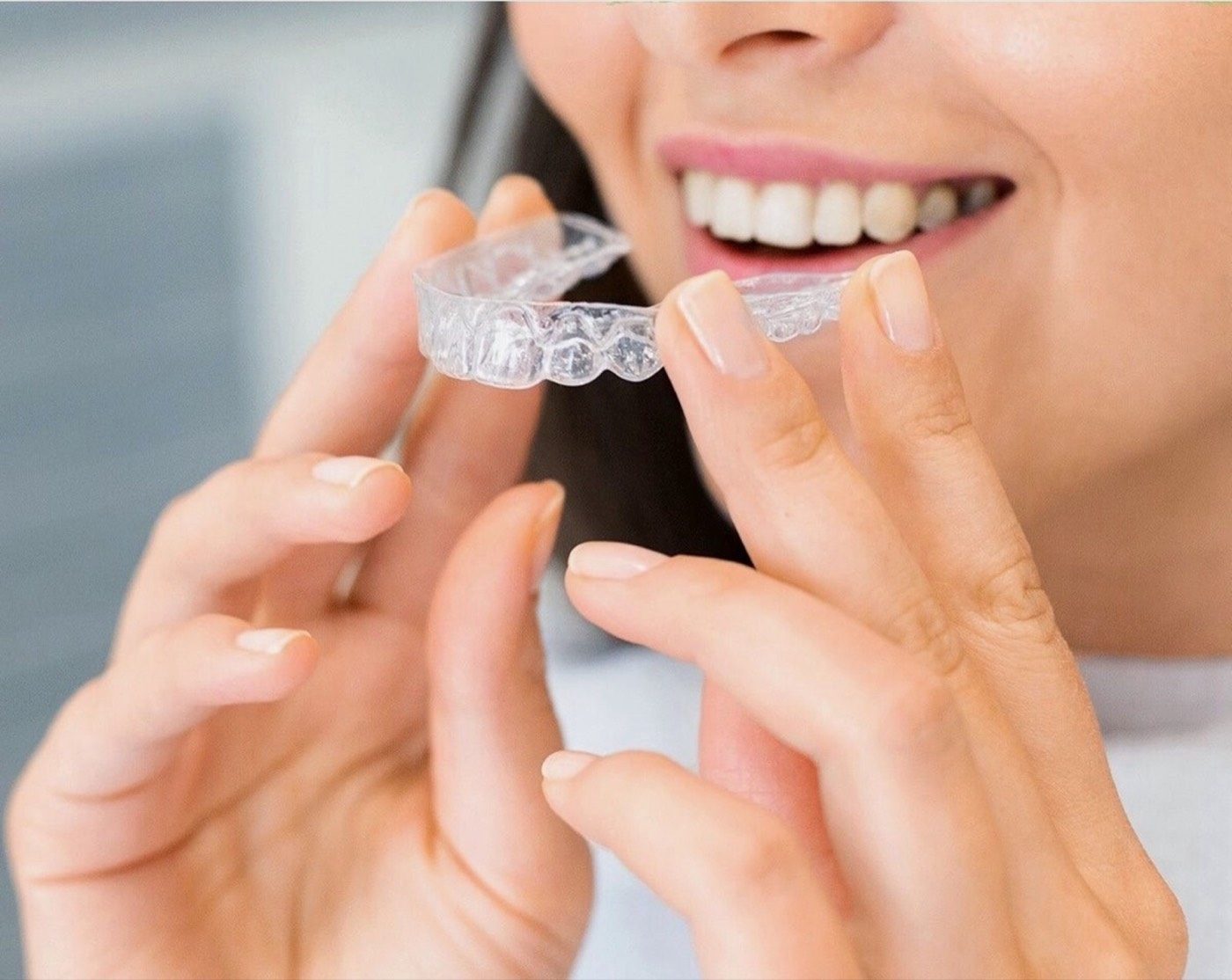
Why Straighten
More than just appearance
Many patients consider braces or clear aligners for a straighter smile — but improving tooth alignment can offer benefits beyond looks. Teeth-straightening may help improve:
- Crooked or overlapping teeth
- Crowding caused by limited space
- Small or moderate gaps between teeth
- Teeth that moved after previous treatment
- Uneven tooth positions
- Selected bite problems
- Areas difficult to brush or floss
- The overall balance of your smile
Not every alignment or bite concern is treated the same way — more complex problems may require assessment or treatment by a specialist orthodontist.
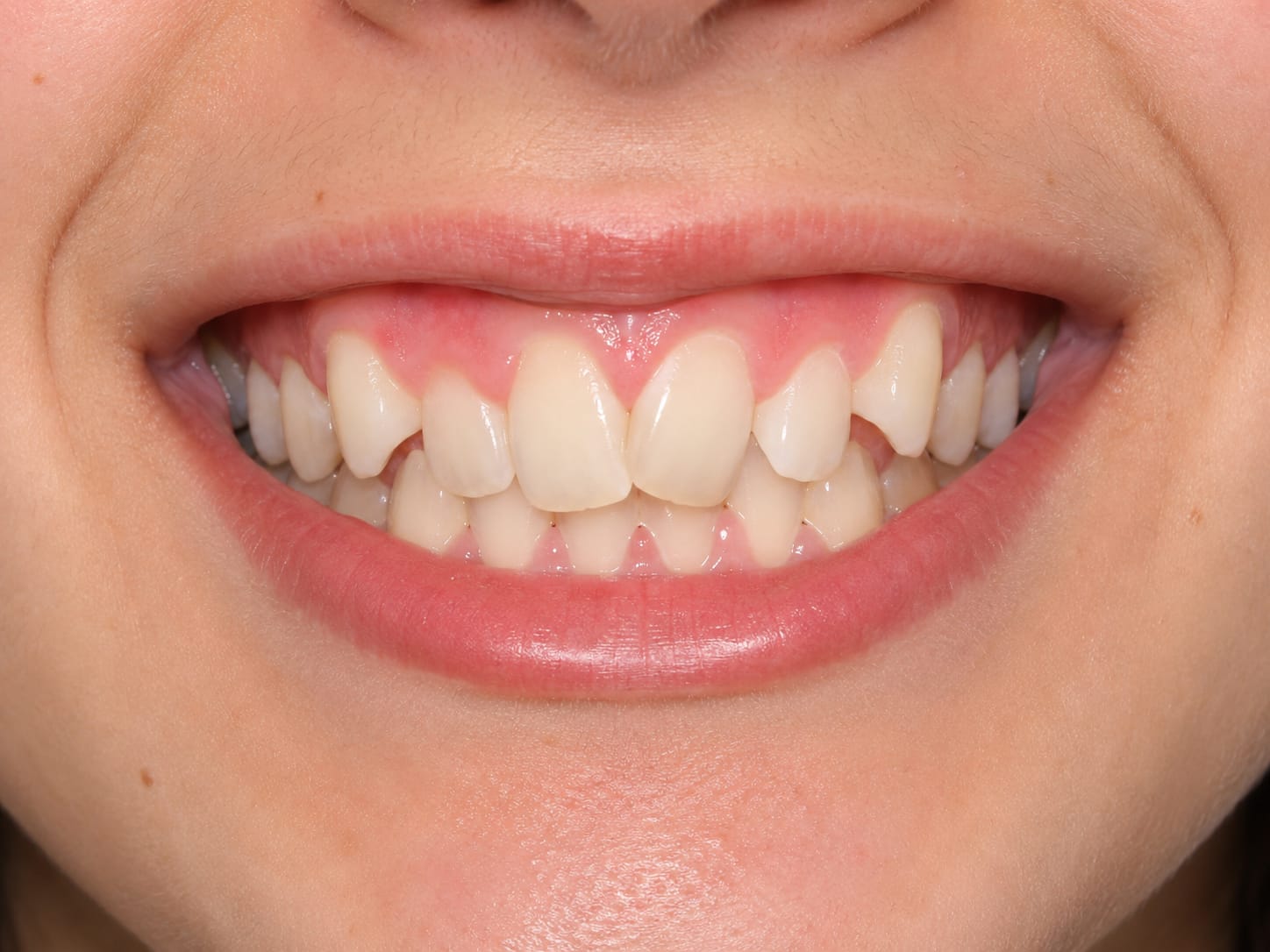 Before
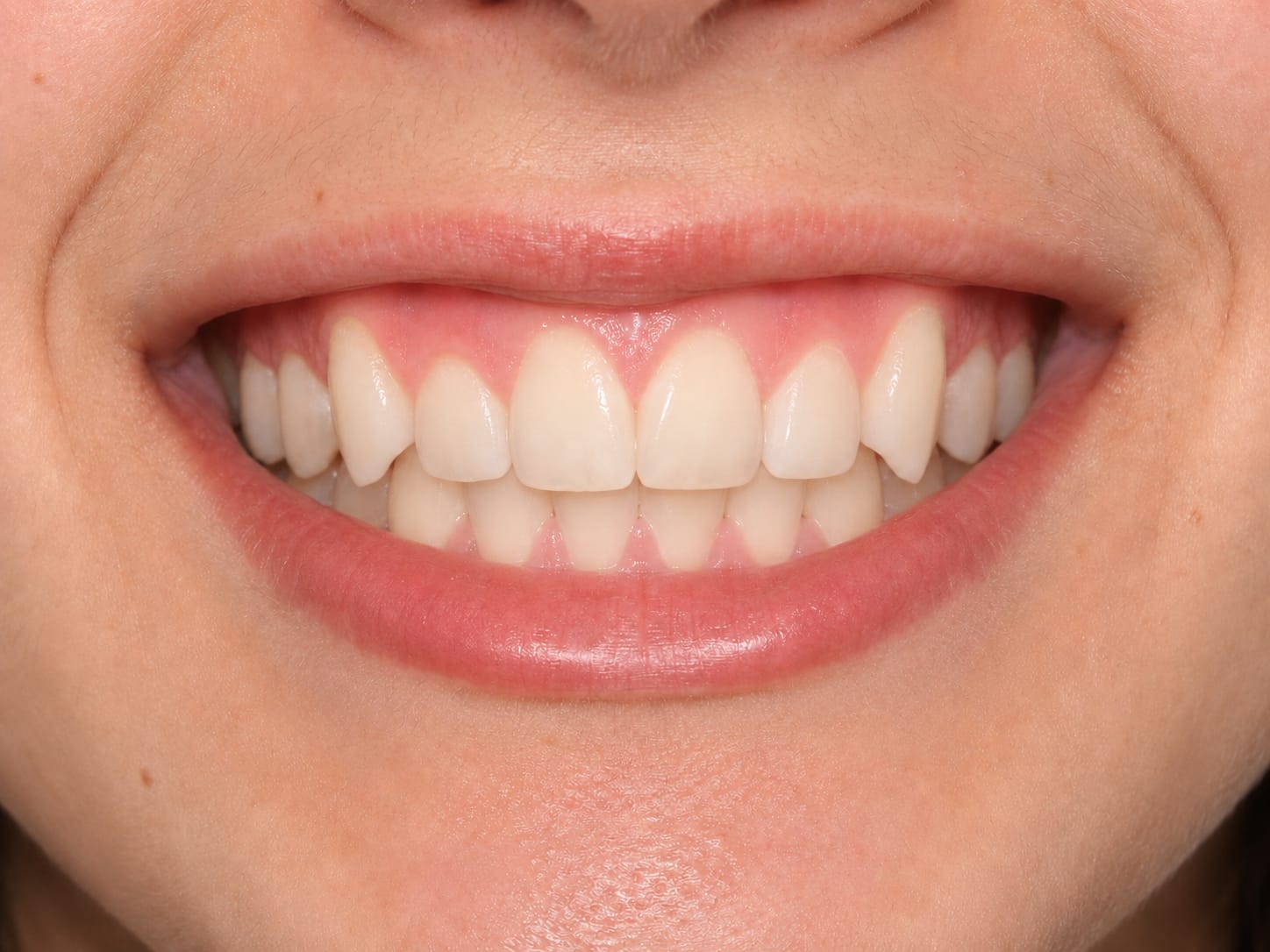 After
AfterClear Aligner Systems
Invisalign and SmileFast
Invisalign clear aligners
A well-known system that gradually moves teeth using a series of custom-made, removable aligners. Each aligner is clear, fits closely over the teeth and is far less noticeable than metal braces — and can be removed for eating, drinking, brushing and flossing.
For treatment to progress as planned, aligners must be worn for the recommended hours each day and changed on your personalised schedule. Invisalign may suit selected cases of:
- Mild to moderate crowding
- Gaps between teeth
- Crooked or rotated teeth
- Teeth that moved after earlier treatment
- Certain bite and alignment concerns
SmileFast teeth straightening
SmileFast combines digital planning with cosmetic and orthodontic options. Its clear aligner protocols can plan controlled tooth movement as part of an individual smile treatment.
Depending on your concerns, SmileFast may focus on improving the visible front teeth, or form part of a broader smile plan. A key benefit of digital planning is the chance to review the proposed changes before treatment begins — so you understand what it's intended to achieve, and whether additional cosmetic work may be considered afterwards.
A Fair Comparison
Clear aligners compared with traditional braces
Traditional braces use brackets attached to the teeth and wires that are regularly adjusted. They stay fixed in the mouth throughout active treatment.
Clear aligners use removable trays instead, which can make eating and cleaning your teeth more convenient — the aligners come out at those times. However, they require commitment: forgetting to wear them may delay treatment or prevent teeth moving as planned.
Traditional braces may be preferred for certain complex tooth movements, while clear aligners can suit many mild to moderate alignment concerns. Your dentist will assess your bite and explain which options are appropriate for you.
What To Expect
Your visit, step by step
Teeth-straightening consultation
We examine your teeth, gums and bite and ask what you'd like to improve. Photos, x-rays and digital scans may be taken, and we check for decay or gum disease to treat before orthodontic care begins.
Digital planning & smile preview
Your records create a personalised plan. Where available, digital planning can demonstrate the proposed movements and expected appearance, and we discuss whether SmileFast or Invisalign suits you and how long treatment may take.
Receive your aligners
Your custom aligners are fitted and checked for comfort, and we show you how to insert, remove and clean them. Small tooth-coloured attachments may sometimes be placed to help guide specific movements.
Progress appointments
You attend reviews so we can monitor progress and make sure the aligners fit correctly. Additional aligners or adjustments may occasionally be needed to achieve the planned result.
Retainers
After active treatment, retainers keep your teeth in their corrected positions. Teeth can gradually move again without retention, so it's important to follow the recommended wearing schedule.
Aftercare
Caring for your teeth and aligners
Remove your aligners when eating and when drinking anything other than water, and brush your teeth before placing them back in whenever practical.
Clean the aligners gently using cool or lukewarm water and the method your dentist recommends. Avoid hot water, as it may distort the material.
Keep brushing twice daily, flossing every day, and attending regular check-ups and professional cleans throughout treatment.
FAQs
Braces & aligner questions, answered
Is Invisalign the same as braces?
Both treatments move teeth, but Invisalign uses removable clear aligners instead of fixed metal brackets and wires.
How long does clear aligner treatment take?
Treatment time varies depending on the amount and complexity of tooth movement required. Your dentist can provide an estimated timeframe after examining your teeth.
How often should Invisalign aligners be worn?
Aligners must be worn according to your dentist's instructions and removed mainly for eating, drinking, brushing and flossing. Inconsistent wear may delay your progress.
Are clear aligners painful?
You may experience temporary pressure or tenderness when starting a new aligner. This usually settles as your teeth adjust.
Can I eat while wearing my aligners?
No. Remove your aligners before eating and before drinking anything other than water.
Can clear aligners fix every orthodontic problem?
No. Some complex alignment or bite concerns may be better treated with traditional braces or by a specialist orthodontist.
Will I need a retainer after treatment?
Yes. Retainers help maintain your new tooth positions and reduce the likelihood of your teeth moving again.
How much do Invisalign and SmileFast cost?
Costs depend on the system selected, case complexity and length of treatment. You'll receive a personalised treatment plan and fee estimate after your assessment.
Ready to find out if clear aligners suit your smile? Book a braces or Invisalign consultation or call (02) 9677 1172 — we'll explain treatment time, costs and payment options.